Scientists studied the mental health of teenagers with pet dogs and found one major difference

A new study has brought fresh attention to the everyday bond between teenagers and their pet dogs, suggesting that this relationship may influence teen well-being in ways families might not immediately notice. The findings, published on December 3, 2025, point to a meaningful connection between growing up with a dog and stronger mental health during adolescence. The research hints at bigger changes that occur chemically in an adolescent when living with a canine.

As reported by Newsweek, the study appeared in the journal iScience and explored why teens with pet dogs often show healthier emotional patterns. Lead author Takefumi Kikusui of Azabu University, Japan, explained, “Raising dogs has beneficial effects, especially for adolescents, and these effects may be mediated through symbiosis with microorganisms.” His team had already found that teens who kept dogs throughout childhood felt more supported and emotionally grounded. In this new study, researchers tracked 345 teenage participants and noticed that those with dogs consistently showed fewer behavioral issues, including reduced social withdrawal. The study authors also pointed out that many of these dog-owning teens displayed stronger prosocial behaviors, a pattern that encouraged the researchers to look beyond surface-level habits and examine biological factors.
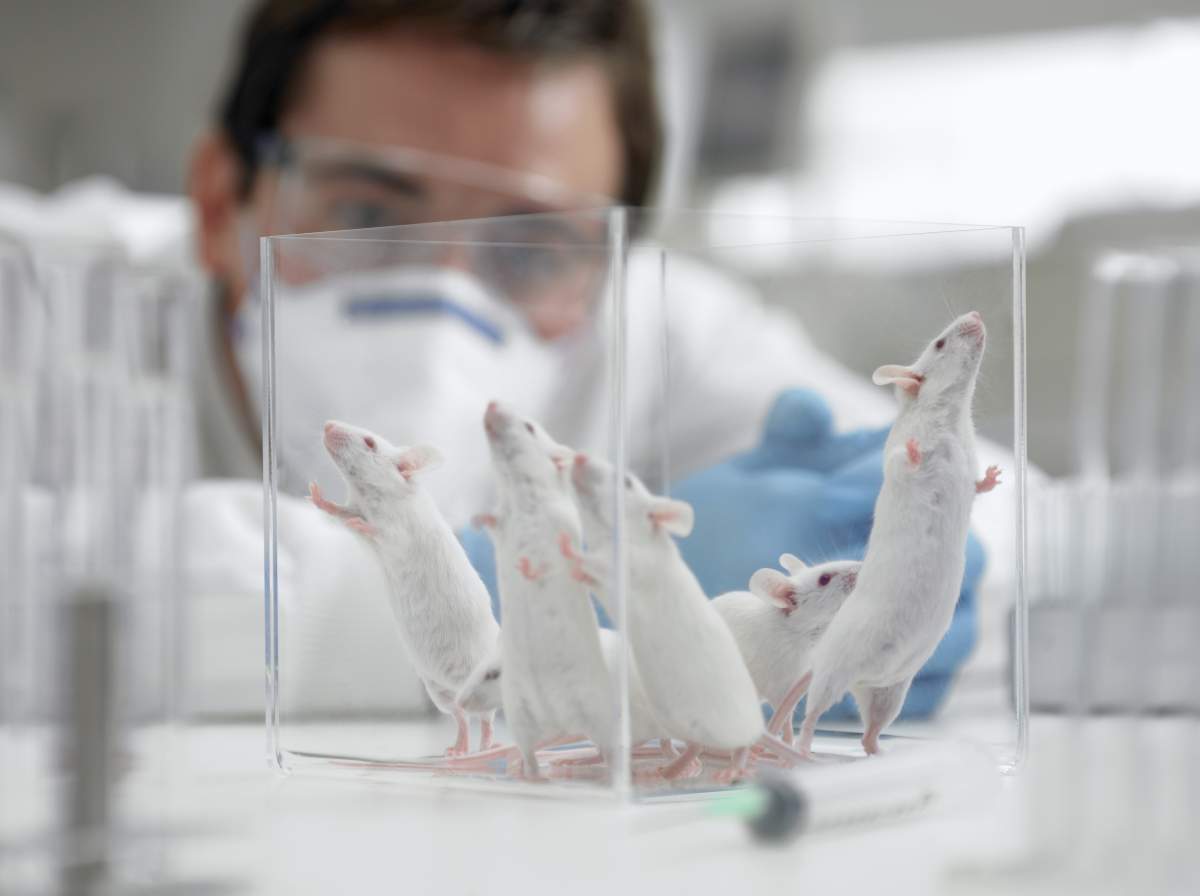
To investigate further, the team analyzed the oral microbiomes of adolescents who provided salivary samples. They learned that while teens with and without dogs had similar microbial richness, the types of bacteria present differed between the groups. Streptococcus and Prevotella were significantly more abundant among dog-owning teens, and these differences appeared consistently across the samples. To understand whether these microbial shifts could influence behavior, the researchers introduced microbiota from teens in the dog-owning group into germ-free mice. These mice showed more social interest and stronger motivation to help a trapped cage mate, mirroring the higher social scores seen in the teens themselves. The team noted that these mice not only explored more but also displayed patterns that matched the behavioral results from the adolescents’ psychological assessments.

The study also revealed that while overall diversity remained stable, the presence of specific oral bacteria seemed to align with mental health scores, suggesting a subtle but important link between daily pet interactions and internal biological changes. Kikusui said, “The implication is that the benefits of dog ownership include providing a sense of security through interaction, but I believe it also holds value in its potential to alter the symbiotic microbial community.” The researchers emphasized that additional work is needed, yet they were struck by how these bacterial differences appeared strongly connected to empathy-related traits.

They also noted that the findings matched earlier research showing that households with dogs tend to have different environmental microbes, which may help shape the oral microbiome of the teens living there. For many families, the study offers a new appreciation for how a familiar companion may be quietly supporting adolescents in ways that extend far beyond companionship.