Study finds why cats meow louder at the man in the house — and women instantly relate

Cats often show surprising patterns that reveal just how aware they are of their surroundings and the people in their lives. On November 14, 2025, the journal, Ethology, published research observing 31 pet cats during brief home interactions with their owners. One interesting pattern emerged, as cats seemed to respond differently depending on who walked through the door. Many women who watched the story or heard about it instantly recognized similar behavior in their own pets, noting that their cats sometimes meowed louder or seemed more persistent with the men in the family.
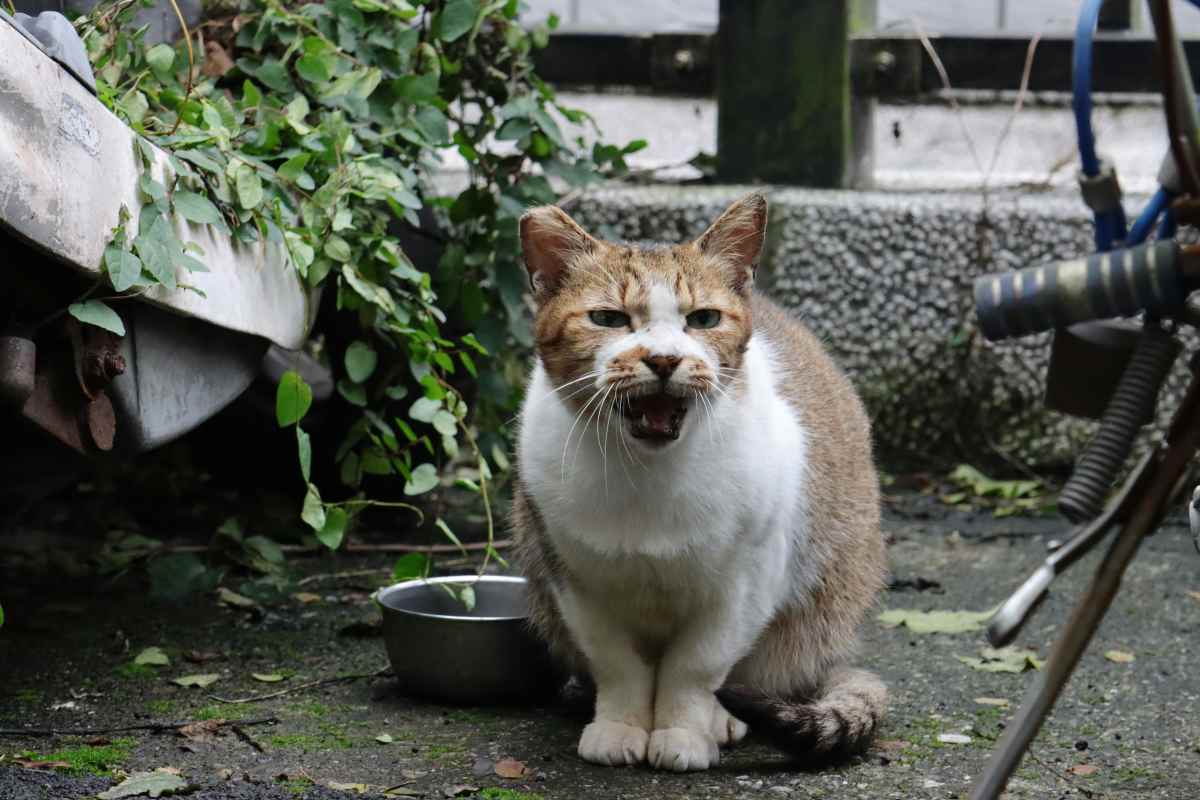
As reported by Parade, the recent research involved filming cats in natural home settings while their caregivers returned from work or errands. Using 22 behavioral measures, scientists observed tail positions, rubbing, stretching, and vocalizations. Cats showed consistent greeting behaviors, but vocal patterns were particularly notable with male owners. Researchers suggested that cats may adjust their interactions to ensure they are noticed or understood. While factors such as cat age, sex, or breed had little influence, prior socialization and experience with humans played a role in shaping these greetings. The study emphasized that these everyday interactions are important in maintaining social bonds between cats and their caregivers.
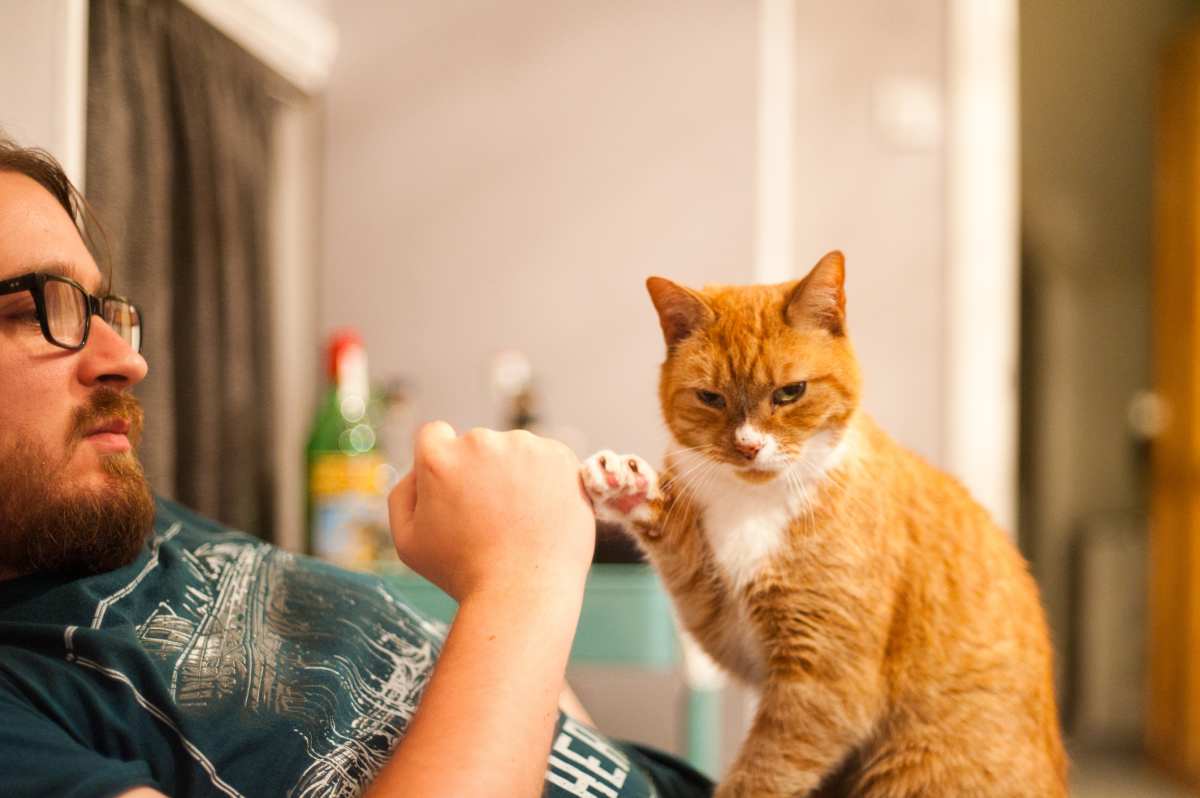
The study reached a wider audience on Friday, November 28, when Grace Eckerle, a morning news anchor at WRDE-TV, shared her reaction in a TikTok clip that quickly gained traction. “Alright, cat owners, this is either the best or worst news you’re going to hear all day,” she began. “A new study came out, CNN published it. Cats are more likely to meow; they meow more frequently at their male owners. Do you know why? Do you know why cats are meowing more at men? Because they don’t listen. So cats learned to adjust their behavior to these men. Story of my life.” Her post resonated strongly with viewers, especially women, who immediately recognized the behavior in their own homes. The humorous take highlighted both the intelligence of cats and their quirky ways of interacting with humans.
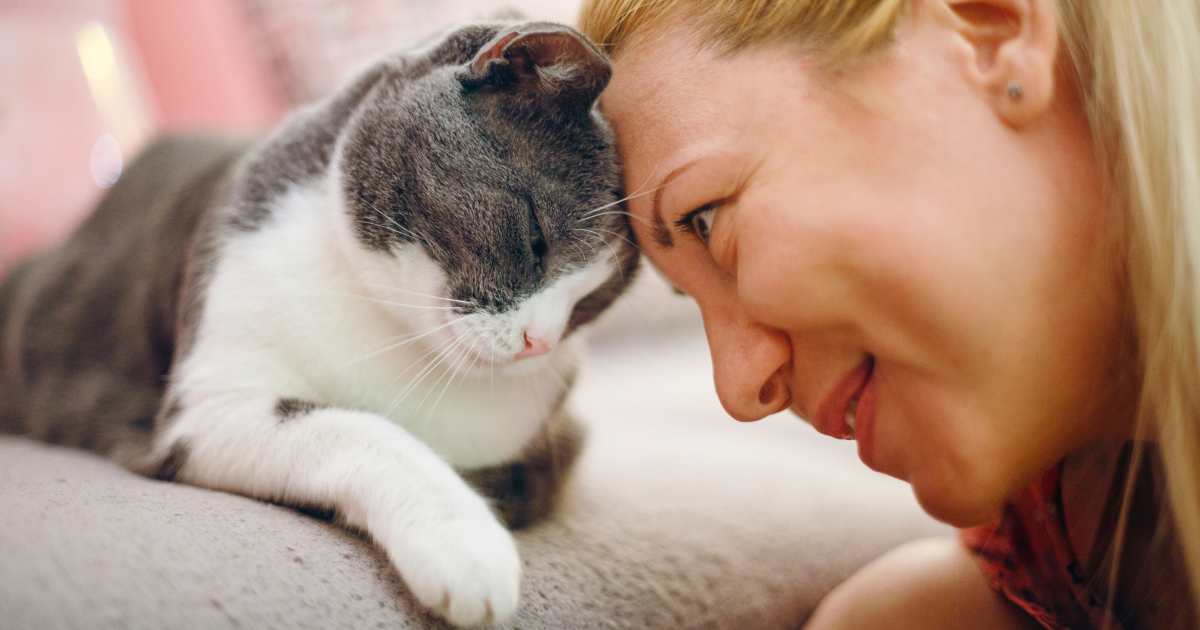
Researchers also analyzed patterns of affiliative and displacement-like behaviors during the greetings, noting that vocalizations were often combined with tail-up postures, rubbing, and rolling. Duration-based behaviors, like self-licking or crouching, were tracked alongside frequency-based actions such as meowing or approaching the owner. These measures revealed that cats may use louder or more frequent vocal signals to ensure communication with certain individuals. Correlational analyses indicated that greeting behavior could reflect both motivational and emotional states, and that caregiver sex was the strongest factor influencing vocal activity. The study gives a clear view of how cats use different types of signals when interacting with humans, showing that their greetings are not just automatic but adjust based on how people behave and respond. The researchers concluded that noticing these small signals can help improve the bond between cats and their owners and guide better care.