Pennsylvania dogs and cats suddenly stopped drinking tap water — two years later, scientists realized it was a life-saving warning

Pets from New Freeport, Pennsylvania, refrained from drinking tap water all of a sudden, leaving their owners confused. While households depended on the same water for their own drinking, cooking, and bathing, they were unsure why their pets avoided it. However, two years later, a study at Duquesne University, led by microbiologist John F. Stolz, found the shocking reason behind the behavior and the warning pets were trying to give their owners, as per the reports from Sunday, December 14, 2025.
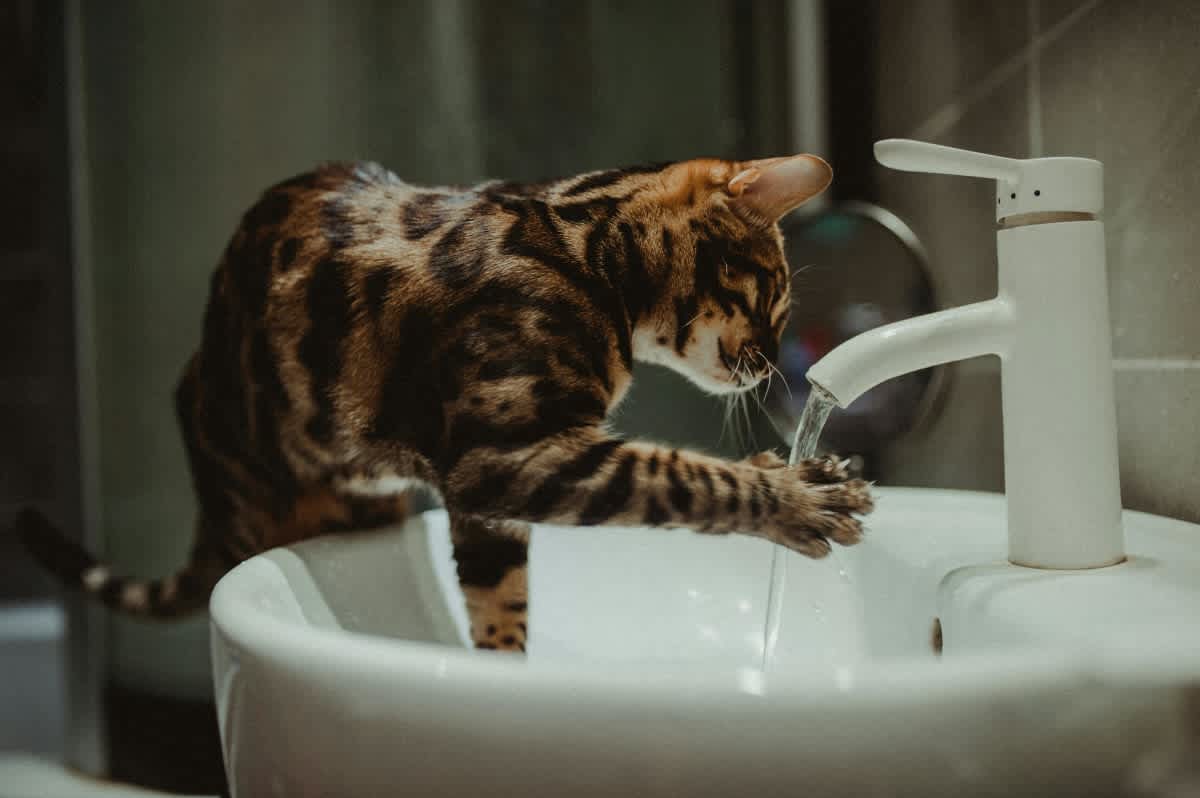
Residents of New Freeport, Pennsylvania, were confused when their pets refused to drink from bowls of water filled from kitchen sinks. They dug deeper to notice brown streaks in their sinks that heightened their suspicion further. Upon further inspection, they also found that the water emitted strange odors, per Earth.com. To understand the unusual occurrence, a local environmental group, the Center for Coalfield Justice, invited Duquesne University microbiologist John F. Stolz, who found that the mishap was due to hydraulic fracturing. For the unversed, fracking uses high-pressure fluid to break deep rock layers and release natural gas. However, during drilling, a "frac-out" occurred, which means the pressurized fracking fluid escaped into places it was not supposed to go beneath New Freeport.
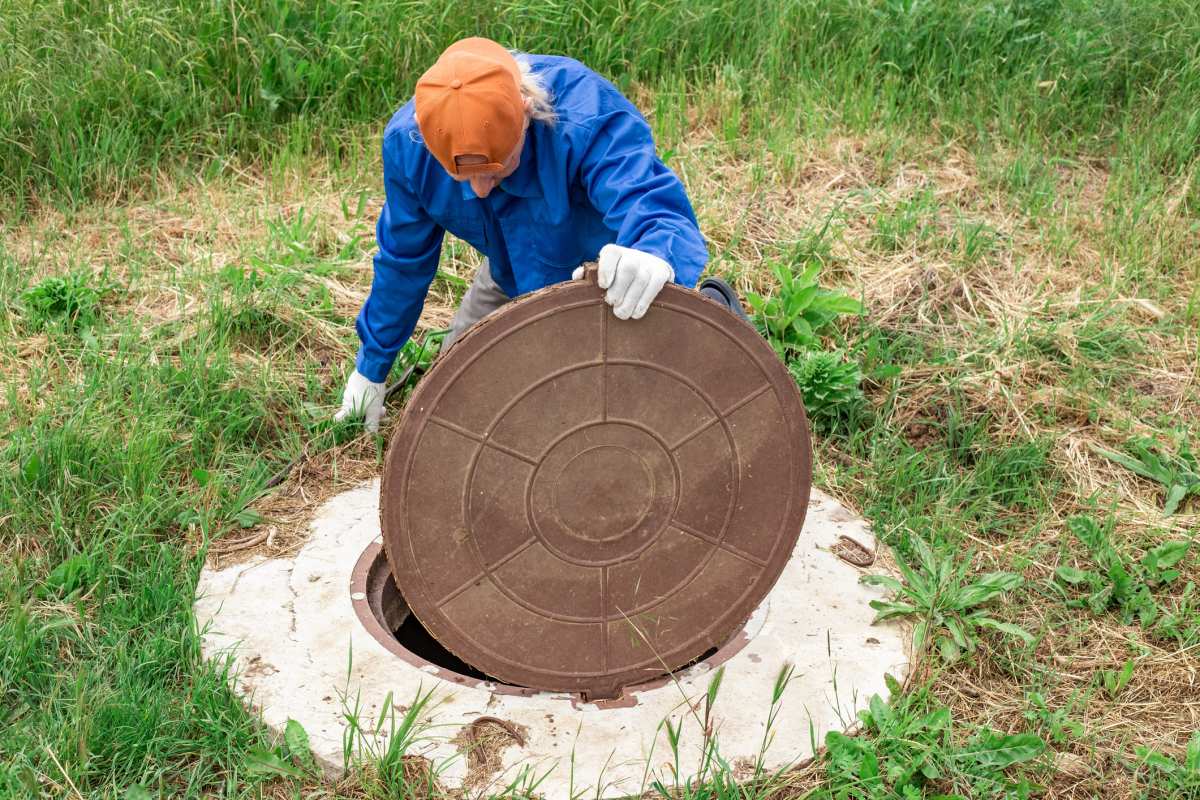
The fluid then traveled through underground pathways and entered an old, abandoned gas well located many feet away from the main drilling site. This caused a muddy mix of gas and liquid to shoot up to the surface. Since hundreds of thousands of orphaned oil and gas wells in Pennsylvania are not properly mapped, this creates hidden paths that allow pressurized fluids to move upward and potentially reach underground water sources that supply groundwater. After sampling 75 private wells and streams that passed nearby for almost two years using a Multi-component Contamination Index, which uses a combined score to identify water affected by oil and gas brines, the researchers found that in 71 percent of the samples, methane gas, which can build up in narrow and closed spaces, was present.

State health officials issued a warning that methane dissolved at even 28 milligrams per liter can create a risk of explosion in confined spaces like wells and plumbing. Unfortunately, two wells in the region had methane levels far above the warning threshold. For now, residents have installed water treatment systems, while some have resorted to five-gallon jugs or delivered water tanks, which have unfortunately burned holes in their pockets. New Freeport's experience shows that even one frac-out can affect drinking water far beyond the drilling site. Nonetheless, if it were not for the pets' unusual reactions and alertness, the residents would have never known about the underlying danger they were subjected to.