Dogs sometimes 'growl at familiar' faces when their owner is pregnant — and recent research finally explains why

Pregnancy is a time of significant change for expectant parents, bringing physical, emotional, and lifestyle shifts. But it’s not just humans who are affected by the arrival of a new family member; dogs also seem to sense the changes. From altered routines to shifts in their owners' scent and mood, it’s no wonder that many pet owners report behavioral changes in their dogs during pregnancy.
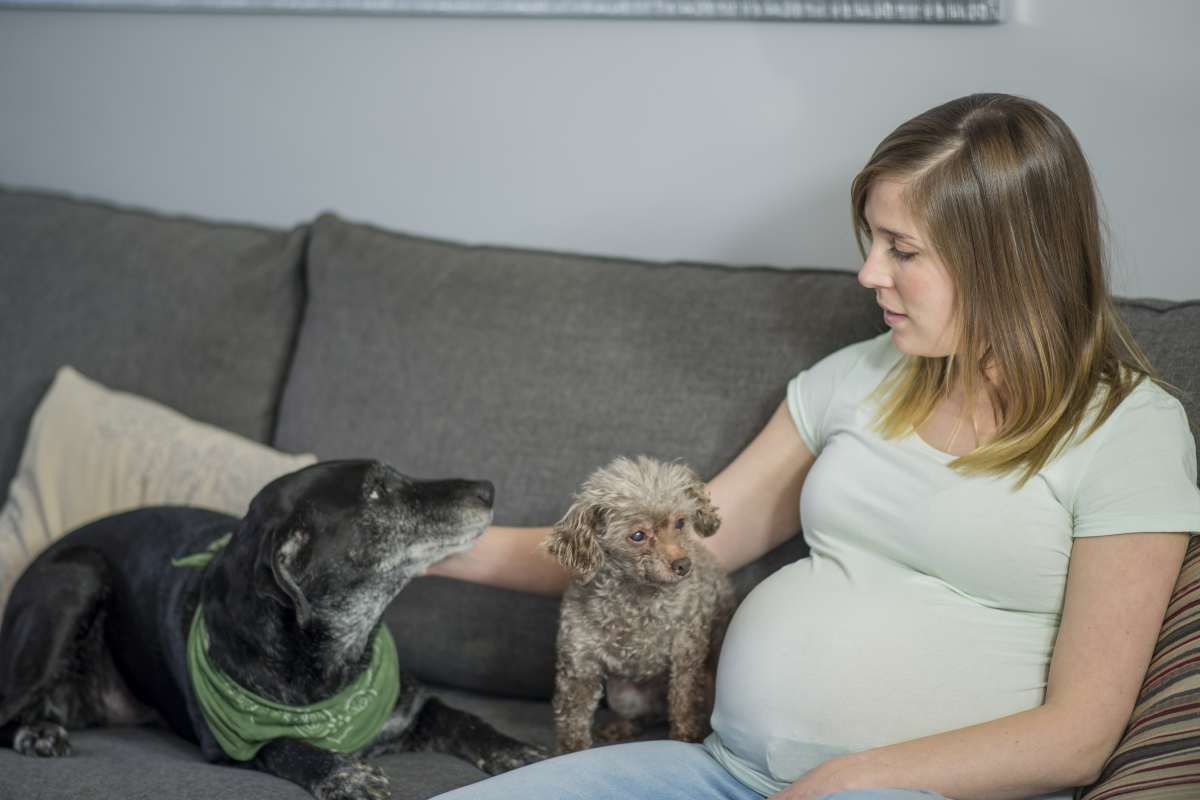
As reported by Phys.org, research into this area began when a team of experts set out to systematically explore how pregnancy affects dog behavior. Their goal was to understand whether dogs are truly attuned to their owners' changing circumstances and how their behavior might evolve in response. To uncover these insights, the team surveyed 130 dog owners who experienced pregnancy while owning a dog. The survey asked questions about their dogs' behavior before and during pregnancy, specifically focusing on five categories: attention-seeking, guarding behaviors with familiar and unfamiliar people, and fear and anxiety toward the owner or other dogs.
Participants were asked to identify their dogs' typical behaviors in these categories before pregnancy. For example, under attention-seeking, behaviors such as "cuddling" and "sniffing" were listed, while guarding behaviors might include "growling at familiar people" or "moving between the owner and a familiar person." After this, owners were asked if they noticed any behavioral changes during their pregnancy, and whether they believed their dogs showed changes even before the pregnancy was confirmed. This helped the researchers build a picture of how pregnancy might impact canine behavior.
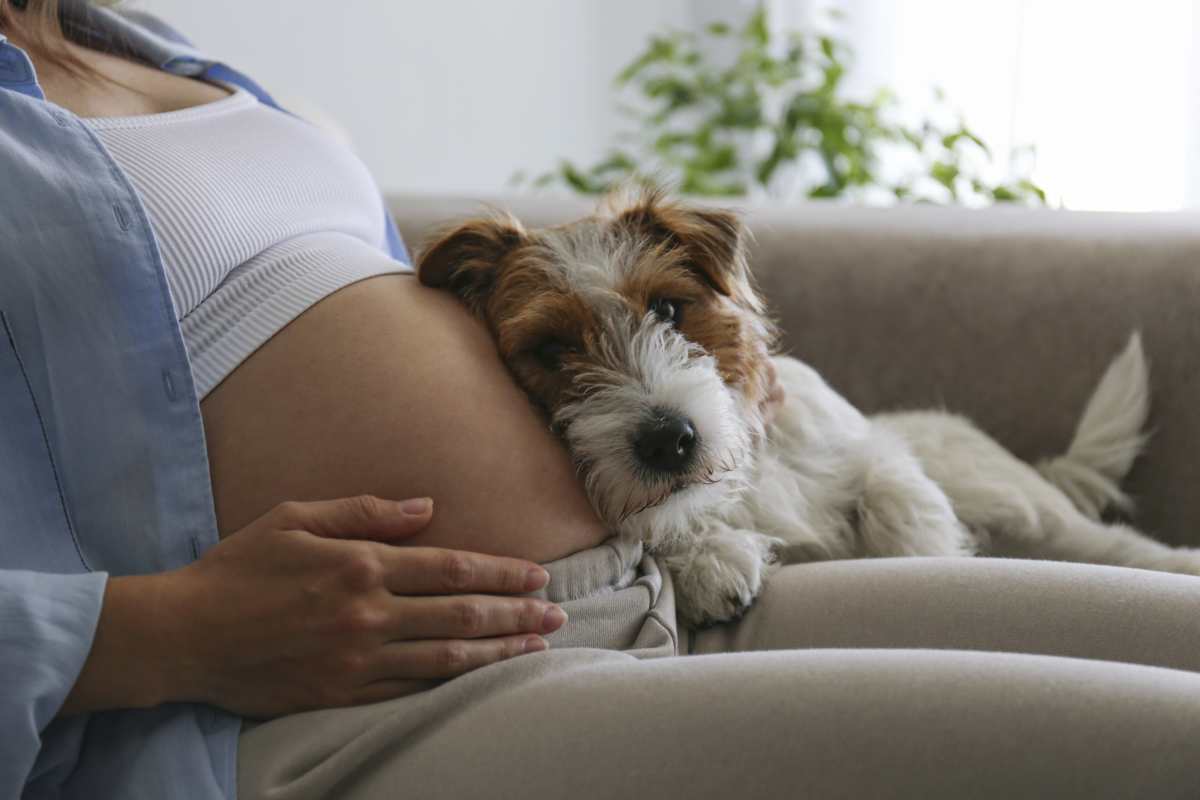
The findings were quite revealing. Nearly 64.5% of participants reported that their dogs' behavior changed once they became pregnant. Interestingly, 26.9% of owners believed their dogs started acting differently before they even knew they were pregnant. In comparison to behaviors before pregnancy, four out of the five categories of dog behavior saw notable increases during pregnancy. These included more attention-seeking, increased guarding around familiar and unfamiliar people, and more fear or anxiety around other dogs. The greatest change was seen in attention-seeking behavior, with 67.1% of owners noticing their dogs becoming more clingy during pregnancy.
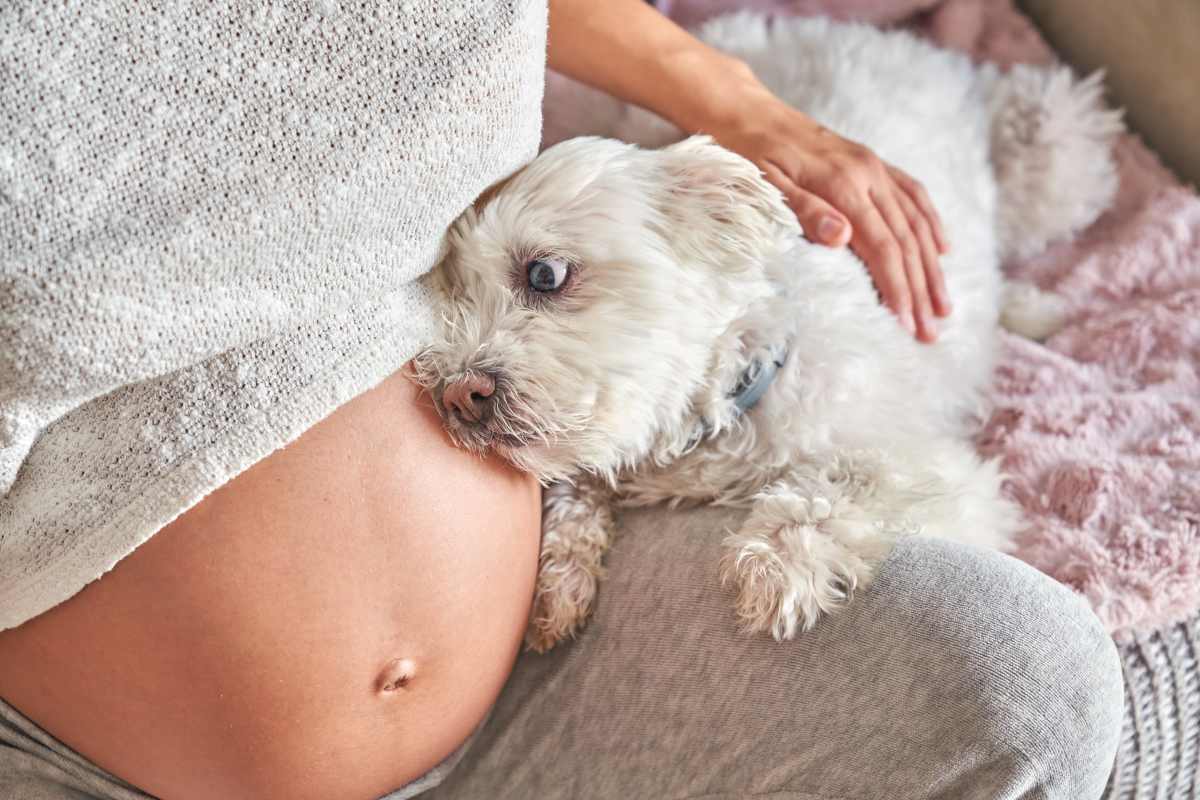
Further analysis revealed interesting patterns regarding which dogs were more likely to display behavioral changes. For instance, dogs that were already protective around unfamiliar people before pregnancy were more likely to show changes during pregnancy. On the other hand, dogs that had a tendency to display fear or anxiety towards other dogs were less likely to exhibit significant changes. This study was the first to provide concrete data showing that many dog owners observe behavioral shifts in their pets during pregnancy, offering valuable insights into how dogs might respond to these life transitions.
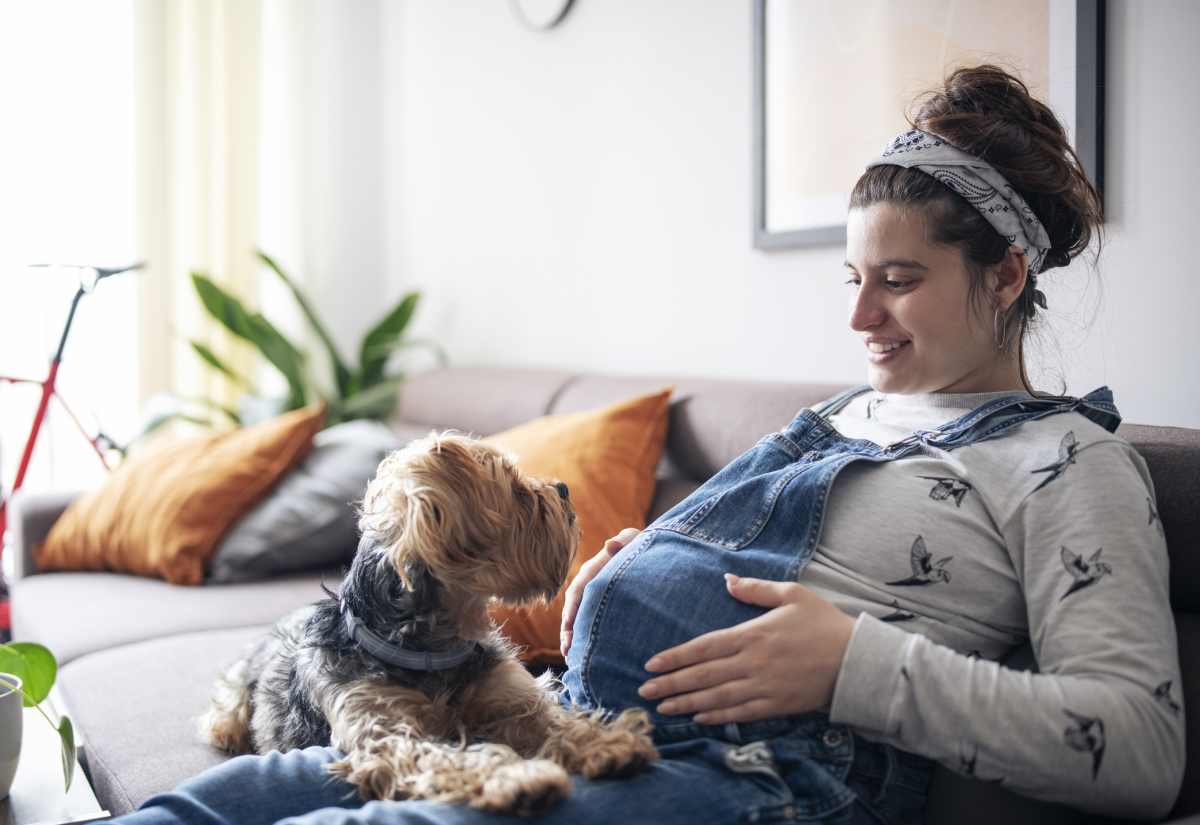
The results of this study not only help us understand how dogs might behave during pregnancy but also offer practical advice for expectant dog owners. By recognizing these behavioral shifts, owners can better prepare their pets for the changes ahead. Maintaining a predictable routine, providing calm spaces, and rewarding relaxed behavior can help ensure that both the dog and the family adjust smoothly to the arrival of a new baby. Ultimately, understanding these changes strengthens the bond between pet and owner, supporting the evolving family dynamic.